
MARCH 24, 2026

BLACK PUBLIC MEDIA
WEEKLY DISPATCH
By Leslie Fields-Cruz
Last week, I attended New York Women in Film & Television’s MUSE Awards. It was a celebration of women working across media, but it also underscored something more urgent.
We are in a moment when women’s voices are openly dismissed and their contributions quietly erased. When a president refers to a female journalist as “little piggy,” it is not just an insult. It reflects a broader willingness to diminish women in public life. At the same time, efforts to strip women from historical narratives make clear that erasure is not incidental. It is a choice.
This is why women in the media matter.
Shaping what gets recorded and remembered
Women storytellers shape what gets recorded and who gets remembered. They bring forward perspectives that complicate dominant narratives and challenge what has been left out. Without them, the public record narrows. With them, it becomes more honest.
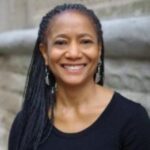
At Black Public Media, we see this play out across the work we support. That includes films that center Black stories and those where Black voices are present, influencing how the story is told. A powerful example is Martha Graham Dance Company: We Are Our Time, premiering on PBS this Friday, March 27. Directed and produced by Peter Schnall and Cyndee Readdean, with additional producers including David Kener, the film offers a portrait of an iconic American institution while capturing the diversity of the dancers carrying that legacy forward. (PBS)
Cyndee Readdean’s role as both director and producer matters. Authorship shapes perspective. It influences what is seen, what is included, and how stories are framed.
Supporting this work requires intention.
Support for BPM supports Black storytellers
Becoming a donor to BPM’s 1.8M campaign is a direct investment in authorship. It signals that you value not only Black stories, but the range of voices within them. It ensures that women and other underrepresented storytellers have the resources to document, question, and define the cultural record on their own terms.
If we want a fuller, more truthful archive of this time, we have to support the people creating it.
Banner image of BPM Trailblazer Yoruba Richen with Leslie Fields-Cruz by Isaiah Horton